September 24, 2026
How Body Contouring Farmington Hills Can Complement Fitness Efforts
By @rafaelscjy206

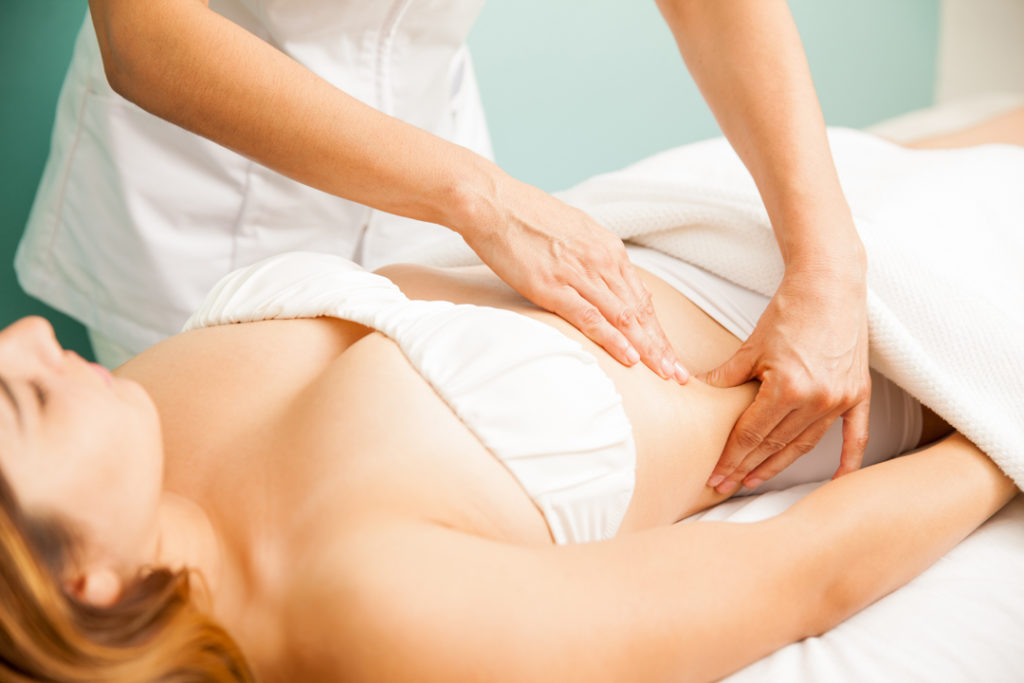
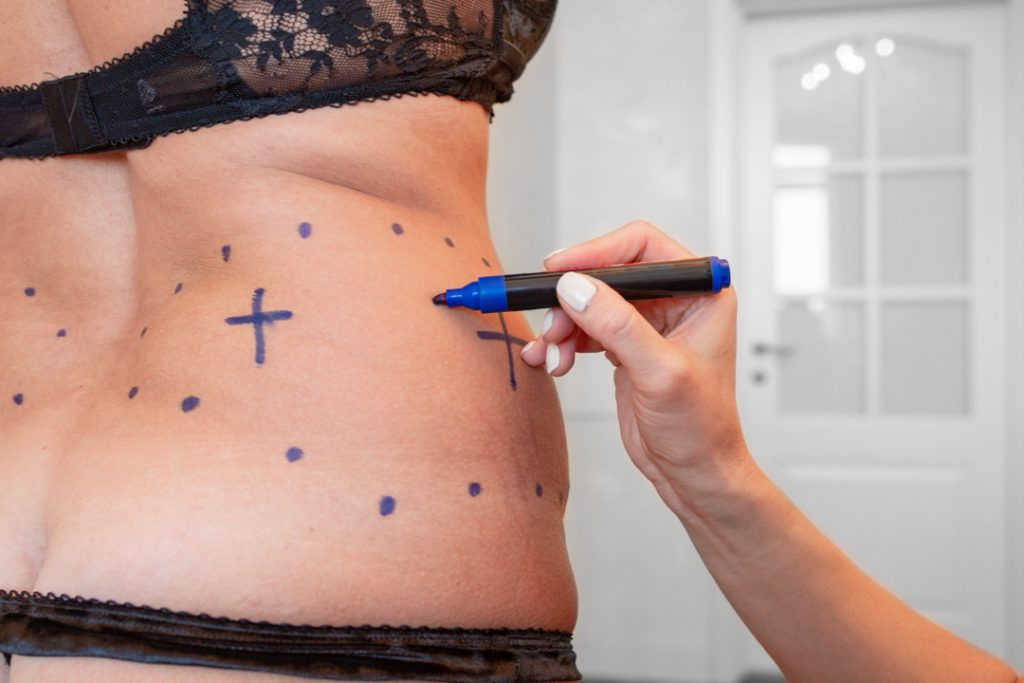
Anyone who has spent months, or years, building better habits knows the frustrating truth about body change: effort does not always show up evenly. You can train four or five days a week, improve your sleep, clean up your nutrition, and still feel stuck looking at the same lower abdomen, the same flanks, or the same area under the chin. That disconnect is where many conversations about body contouring begin, not with vanity in the shallow sense, but with a very practical question: if fitness has already done most of the heavy lifting, can a targeted aesthetic treatment help finish what discipline started?
For many people, the answer is yes, with important caveats. Body contouring is not a substitute for training, and it does not recreate the metabolic benefits of exercise. It cannot build cardiovascular endurance, improve insulin sensitivity the way regular movement can, or replace the musculoskeletal gains that come from resistance training. What it can do, in the right candidate and with realistic expectations, is address stubborn pockets of fat or laxity that remain after someone has already committed to a healthier lifestyle.
That is why interest in Body Contouring Farmington Hills tends to come from a particular kind of patient. Often, it is the person who is already doing quite a bit right. They may be near their goal weight, lifting regularly, walking daily, and making better food choices than they did a year ago. The issue is not effort. The issue is proportion, contour, and the fact that the body does not always respond symmetrically or on schedule.
Fitness changes the body broadly, contouring works narrowly
Exercise is systemic. It affects the whole body, even when a workout seems focused on one area. A stronger core does not selectively burn belly fat. More lunges do not specifically melt inner thigh fullness. Hundreds of triceps kickbacks cannot promise sharper upper arm definition if the overlying tissue is still holding a layer of fat or mild skin looseness. This is one of the most misunderstood parts of body transformation.
People often assume that if they train a body part hard enough, that area should shrink. In real life, fat loss patterns are heavily influenced by genetics, hormones, age, sex, stress load, and where someone stores fat naturally. Two patients can follow similar training plans and land in very different places aesthetically. One person leans out quickly through the waist, while another loses weight in the face and legs first and sees the midsection hold on for months.
Body contouring works on that more local level. Instead of asking the body to gradually reduce fat wherever it chooses, contouring treatments are designed to target specific areas. Depending on the technology and the practice, that might mean reducing a stubborn fat pocket, improving skin tightness, or refining silhouette in places where exercise alone has limited effect.
That distinction matters. Fitness improves function and body composition in a broad sense. Contouring can refine shape. Those goals overlap, but they are not identical.
The people who usually benefit most
The best outcomes tend to come from people who are already relatively stable in their habits. They are not looking for a dramatic rescue. They are looking for polish.
A common example is the patient who has lost 20 to 40 pounds through training and nutrition. Their clothes fit better, energy is up, blood pressure may be improved, and they feel stronger. Yet they still notice lower abdominal fullness that hangs on regardless of planks, intervals, and meal prep. Another frequent example is the woman who returned to exercise after pregnancy and regained strength but still sees changes in the waistline or skin that do not fully reverse. There is also the middle-aged runner or cyclist who is lean overall but carries persistent fat at the flanks or under the chin.
In these cases, Body Contouring Farmington Hills is often approached as a complement, not a correction of a failed fitness plan. That mindset tends to produce healthier expectations and better satisfaction.
The less suitable candidate is the person hoping a contouring treatment will jump-start a major weight-loss journey without changing daily habits. If someone is still in the early stage of large-scale weight reduction, many experienced providers will encourage them to establish a stable baseline first. Body shape can shift significantly with continued weight loss, and it often makes sense to see where the body settles before refining it.
Why certain areas resist even excellent training
Stubborn areas are not a myth invented by marketing. In practice, some body regions are simply more resistant than others. The lower abdomen, love handles, outer thighs, inner thighs, upper arms, bra line, and submental area under the chin are classic examples.
Part of the challenge is blood flow and receptor https://augustcvym286.rivertonbrief.com/posts/best-times-to-book-body-contouring-farmington-hills-treatments activity in fat tissue. Part is hormonal. Part is inherited body patterning. There is also the reality of skin behavior. Even when fat volume decreases, skin does not always contract as much as a person hopes, especially after pregnancy, weight fluctuations, or with age-related collagen decline.
That is why two people at the same weight can look quite different in contour. One may have a firmer, tighter appearance. Another may have a softer distribution or small bulges in areas that catch the eye in fitted clothing. Neither scenario means someone is unhealthy or not working hard enough. It just means biology has a vote.
This is often reassuring for patients. They stop treating every persistent trouble spot as a personal failure. Once that guilt is removed, the conversation becomes more practical: what can exercise continue to improve, and what may benefit from an additional treatment approach?
What body contouring can realistically do
The phrase "body contouring" covers a range of treatments, and that broad label sometimes confuses people. Some methods focus on fat reduction, often through non-surgical technologies that aim to damage fat cells in a controlled way so the body can gradually clear them. Others focus more on skin tightening or tissue remodeling. Surgical options exist too, but many people asking about contouring are specifically interested in less invasive approaches.
A good consultation usually clarifies the actual goal before discussing the tool. Is the issue pinchable fat in a defined area? Mild skin laxity? Loss of contour after weight loss? A combination? Those distinctions affect whether someone is likely to benefit and whether the result will feel worth the time and cost.
In straightforward cases, the realistic payoff is modest to noticeable refinement. A waistband sits smoother. The lower belly projects less in profile. The jawline appears cleaner in photographs. Athletic progress becomes more visible because a lingering pocket of fat no longer obscures it.
That may sound subtle on paper, but subtle changes can have an outsized effect on confidence, especially for someone who has already built the hard part through fitness. When a patient says, "I finally look like I lift," that usually reflects alignment between how the body feels and how it presents.
Where treatment fits into an active lifestyle
Timing matters more than many people expect. It is usually best to think about body contouring once a person has reached a relatively sustainable routine. Not a perfect one, a sustainable one. If weight is swinging up and down every few months, it becomes harder to evaluate the final shape and harder to maintain satisfaction with any aesthetic result.
In practical terms, a stable window often means body weight has been fairly consistent for several months, the exercise routine is regular, and the person is not in the middle of a crash diet or major training block that dramatically alters hydration and body composition. This allows both patient and provider to judge the actual baseline.
There is also a psychological advantage to that timing. Someone who already exercises consistently tends to approach treatment with a maintenance mindset. They understand that shape is influenced by daily behavior, not just a single appointment. They are usually more patient during the gradual result period, which many non-surgical treatments require.
I have seen this play out repeatedly in real-world decision-making. The happiest patients are rarely the ones looking for the fastest miracle. More often, they are the ones who say, "I have done the work, I plan to keep doing it, and I want help with this one thing that has not changed."
The emotional side of seeing effort reflected back
Fitness is not only about numbers on a scale. It is also about feedback. People stay motivated when they can feel and see progress. Strength gains help. Better endurance helps. So does the moment when clothing fits differently or when definition becomes more visible in the mirror.
When one isolated area lags behind, it can distort that feedback loop. Someone may intellectually know they are healthier and stronger, but still feel that their appearance does not reflect the work. This is especially common after major life events like pregnancy, menopause, or substantial weight loss. The body may function well, yet still carry a visual reminder of a previous season.
This is where body contouring can support motivation in a grounded way. Not because appearance is the only measure that matters, but because alignment matters. When the outside catches up to the inside, people often feel more settled in their routines. They wear the clothes they avoided. They stop obsessing over one problem area. They return to exercise from a place of ownership rather than punishment.
That is a healthy use case. The treatment is not fixing self-worth. It is reducing friction.
A smart consultation should sound measured, not flashy
If you are exploring Body Contouring Farmington Hills, the quality of the consultation matters as much as the treatment menu. A good provider will ask about weight stability, exercise habits, previous pregnancies or surgeries, medications, and whether the concern is fat, skin, or muscle separation. They should also be candid about limitations.
A measured consultation often includes points like these:
- You may need more than one session depending on the treatment and the area.
- Results are often gradual, not immediate.
- Body contouring is not the same as weight-loss treatment.
- Stable habits help preserve the result.
- Some concerns, especially significant loose skin, may respond better to a different approach.
That kind of conversation is a good sign. It means the provider is thinking like a clinician, not just a salesperson.
Be wary of any discussion that promises dramatic fat loss, effortless transformation, or a permanent outcome regardless of future weight changes. The body remains biologically active. If lifestyle shifts, contour can shift too.
The trade-offs patients should understand
Every aesthetic treatment involves trade-offs. Non-surgical contouring is attractive because it typically asks less of recovery time than surgery, but that convenience comes with boundaries. Results are usually more incremental. Multiple treatments may be needed. Some areas respond better than others. And if skin laxity is the main issue rather than fat, fat-focused treatment alone can disappoint.
There is also the matter of patience. Many people are used to the clear cause-and-effect of fitness. Lift more, get stronger. Walk more, improve endurance. With body contouring, the visual payoff may take weeks or a few months, depending on the method used and how the body processes the treated tissue. That slower timeline is normal, but it can feel anticlimactic if someone expects instant sculpting.
Comfort is another consideration. "Non-invasive" does not always mean sensation-free. Some treatments involve heat, cooling, suction, pressure, or post-treatment soreness. Most active adults tolerate this well, but it is worth discussing honestly beforehand.
Cost enters the conversation too. Since these are generally elective treatments, they are usually paid out of pocket. For some patients, that investment feels worthwhile because it addresses a very specific issue that has lingered despite sustained effort. For others, it may not pass the personal value test. There is no universal answer there.
Fitness still does the heavy lifting after treatment
One of the best ways to think about contouring is as a refinement layered on top of healthy systems. Those systems still matter afterward. Hydration matters. Resistance training matters. Protein intake matters. Sleep matters. Weight maintenance matters.
If a patient receives a successful contouring treatment and then slides into a sedentary pattern with steady weight gain, the overall silhouette can absolutely change again. Maybe not identically in the treated area, depending on the modality used, but enough that the person feels they have lost the benefit. That is why reputable providers usually emphasize maintenance habits from the start.
The upside is that physically active patients often protect their investment naturally. They already have routines. They already understand consistency. For them, body contouring tends to fit into a bigger framework of self-care rather than becoming a standalone fix.
A sensible maintenance rhythm often looks like this:
- Keep body weight within a reasonable personal range rather than cycling sharply.
- Continue strength training to support shape, posture, and metabolic health.
- Use nutrition to maintain results, not to overcorrect through restriction.
- Give the body time to reveal gradual changes before judging the outcome.
- Follow provider aftercare instructions, even when recovery seems minimal.
None of that is glamorous, but it is usually what separates a short-lived thrill from a result that still feels satisfying a year later.
When body contouring is not the right next step
There are plenty of situations where the better advice is to wait, reassess, or choose something else. If someone is in the middle of active weight loss and still has a long way to go toward their target, it may be too early to refine. If the main concern is severe skin laxity after major weight loss, a non-surgical treatment may underdeliver. If expectations are rooted in becoming a different person rather than fine-tuning one area, no contouring result is likely to feel like enough.
There are also practical medical considerations that a licensed provider should review. Certain health conditions, body composition patterns, or previous procedures can influence candidacy. That is why online before-and-after photos, while tempting, are never a substitute for individualized assessment.
Sometimes the best advice in a consultation is surprisingly simple: keep training, give your body another three to six months, and revisit later. This is especially true for someone early in a strength program, postpartum recovery, or a well-structured weight-loss phase. Bodies do change on a delay. Patience can save money and lead to better decision-making.
Why local context matters in Farmington Hills
Choosing a provider close to home is not only about convenience. In a place like Farmington Hills, where many patients balance work, family schedules, commuting, and year-round lifestyle changes, practical access matters. Follow-up visits are easier to keep. Questions get answered sooner. A treatment plan can be integrated into real life rather than squeezed in once and forgotten.
The local patient population also tends to reflect a mix of goals. Some are busy professionals who want a cleaner profile in workwear. Some are parents trying to reclaim a sense of physical confidence after years of putting themselves last. Some are active adults who already prioritize wellness and simply want their shape to better reflect the work they are putting into the gym, studio, or trail.
That variety is one reason the phrase Body Contouring Farmington Hills should not be treated as a one-size-fits-all category. Good care starts by identifying the actual problem to solve. For one person, it may be flank fullness that disrupts an otherwise lean frame. For another, it may be lower abdominal contour after weight loss. For someone else, it may be a small under-chin area that bothers them in every video call and photo despite being fit overall.
The treatment only makes sense when the goal is specific.
The strongest results come from clear expectations
Aesthetic medicine works best when the patient can describe success in concrete terms. Not "I want to look perfect," but "I want this area to sit flatter in fitted clothing," or "I want my midsection to match the rest of my progress," or "I want to feel less distracted by this one spot." Those are workable goals. They are measurable in everyday life.
When expectations are clear, body contouring can be genuinely satisfying. It can make years of disciplined training more visible. It can help a person feel that their physique reflects their habits. It can support confidence without pretending to replace the value of exercise.
That balance is the key. Fitness builds health, strength, endurance, and resilience. Body contouring can refine the presentation. Put together thoughtfully, they are not competing strategies. They are different tools serving different purposes.
For the right person, at the right stage, with the right provider, that combination often feels less like chasing an ideal and more like bringing the final picture into focus.
Aesthetic Plastic Surgery & Laser Center, Michelle Hardaway M.D.
Address: 27920 Orchard Lake Rd, Farmington Hills, MI 48334
Phone number: +12482211957
FAQ About Body Contouring Farmington Hills
What does body contouring actually do?
Body contouring (or body sculpting) eliminates stubborn localized fat, tightens loose, sagging skin, and reshapes your silhouette. It is not a weight-loss tool, but rather a cosmetic procedure used to refine and tone specific trouble spots after major weight loss, pregnancy, or aging.
How much does body contouring usually cost?
The total cost of body contouring usually ranges from $2,000 to $25,000+ depending entirely on whether you choose non-surgical sessions or major surgical procedures.
Because "body contouring" covers everything from simple fat-freezing to comprehensive post-weight-loss surgeries, pricing is heavily categorized by the method used.
What is the best type of body contouring?
Liposuction is a huge topic and worth discussing in more detail, but in terms of body contouring and sculpting, nothing does the job better than liposuction, particularly VASER liposuction.
❧